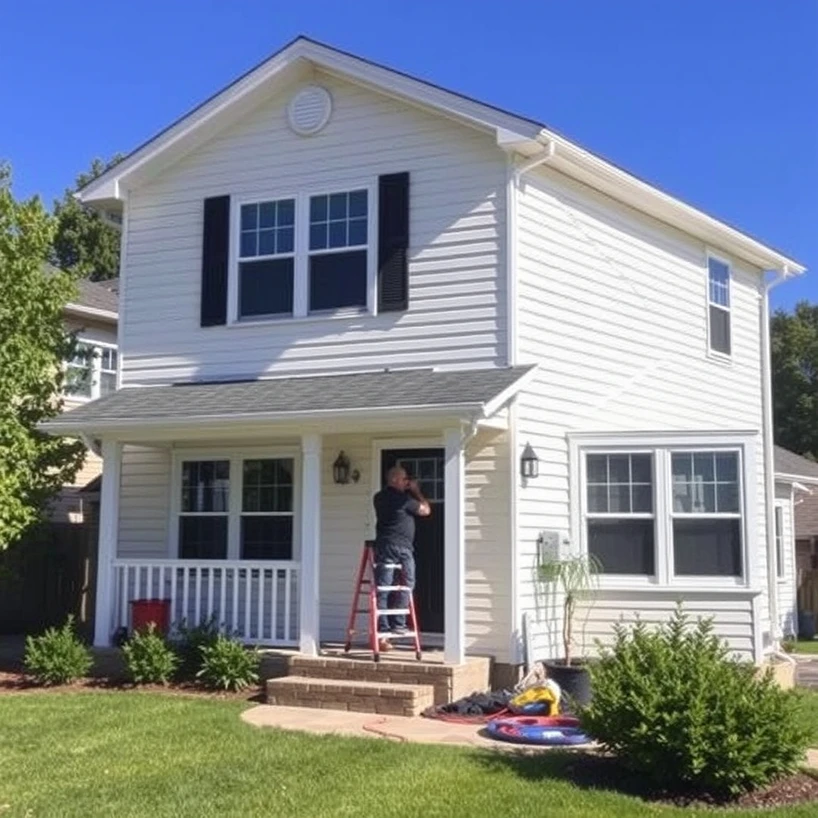
Most home sales do not fall apart because the house is bad. They fall apart because of a surprise. The buyer brings in their own inspector, someone you have never met working for the other side, and a few days later a long report lands with red circles all over it. Nothing in that report might be serious, but the buyer does not know that. They get nervous, they ask for a price cut or a pile of repairs, and a deal that felt solid on Monday is shaky by Friday. A pre-inspection is how you get ahead of that moment. You find out what is going on with your home before a buyer does, and you decide what to do on your own clock.
What a pre-inspection actually is
A pre-inspection is a standard home inspection that you order and pay for before your home hits the market, rather than waiting for the buyer to order one after they are under contract. An inspector walks the property the same way they would for any buyer, checking the roof, the foundation, the electrical, the plumbing, the heating and cooling, and the grading around the house. The difference is who the report belongs to. It is yours. You see the findings first, in private, with nobody on the other side of the table waiting to use them against you.
That timing changes everything. When the buyer's inspector finds something, you are already committed to the sale, the buyer holds the leverage, and the clock is running on the inspection contingency. When your own inspector finds the same thing weeks earlier, you have room to think, get a repair quote, decide whether to fix it or price for it, and never feel cornered.
Why most sellers skip it
Sellers skip the pre-inspection for one honest reason: they are afraid of what it might turn up. The thinking goes that if you do not look, you do not have to deal with it. But a problem does not disappear because you ignored it. It waits to surface at the worst possible time, when you are under contract and least able to negotiate from strength.
Here is the pattern I have watched play out across Muskegon, Grand Haven, and the lakeshore towns. A small plumbing leak that costs a couple hundred dollars to fix, caught early, is a quick repair and a non-issue. That same leak, found by the buyer's inspector after you are under contract, often turns into a credit request several times the size of the actual fix, because now it is leverage and a little bit of fear. On a buyer already on the fence, a surprise like that can be the thing that makes them walk. The cost of looking early is almost always smaller than the cost of getting caught flat-footed.
The leverage you gain
A pre-inspection hands you control over three things you would otherwise surrender. Timing. You make repairs on your schedule, with contractors you choose, at prices you can shop, instead of scrambling to satisfy a repair addendum before a deadline. Framing. You decide what gets fixed and what gets disclosed and priced accordingly, rather than letting the buyer's report set the agenda. Pricing. When you know the real condition of the home up front, you can price it honestly the first time, which means fewer renegotiations and a cleaner path to closing.
What it does to buyer confidence
There is a real psychology here, and it works in your favor. When a buyer sees an inspection report the seller provided voluntarily, the message they take away is that this owner has nothing to hide, and a confident buyer writes a stronger offer, asks for fewer concessions, and is far less likely to get cold feet halfway through. It is the same reason a used car with a full stack of maintenance records sells faster than an identical car with no paper trail. The records do not make the car better. They make the buyer trust it. I have seen homes draw stronger interest, and in some cases multiple offers, in part because the inspection was already done and sitting right there in the packet for buyers to read.
How to do it right in Michigan
Start with a qualified inspector. Michigan does not license home inspectors the way some states do, so credentials matter more here, not less. Look for an inspector certified through a recognized national body such as ASHI or InterNACHI, ask how long they have worked the West Michigan market, and ask for a written report with photos rather than a verbal once-over. The report and the pictures are what give it weight with a future buyer.
Once you have the report, sort the findings into what genuinely matters and what does not. Safety items, structural concerns, roof leaks, and anything that affects the systems of the house belong at the top of the list. Cosmetic notes can usually wait or be priced in. If you make repairs, keep the receipts and contractor invoices, because proof the work was done right is worth more to a buyer than your word that you handled it.
One point sellers need to be clear on, because it is where people get into trouble. In Michigan, sellers of most residential property are required to complete a Seller's Disclosure Statement, and a pre-inspection does not let you bury what you found. Once you know about a material defect, you generally have to disclose it whether you fix it or not. That is not bad news. A known issue disclosed and priced is far less damaging than the same issue discovered later and felt like a cover-up. For the specific legal requirements in your situation, that is a conversation for a real estate attorney, and I am glad to point you to one.
When a pre-inspection is worth it
A pre-inspection earns its cost most clearly on older homes, homes that have not changed hands in a long time, and homes where you are not sure what is behind the walls. If you have lived somewhere twenty years and never had a professional look at the roof or the furnace, the report is useful for you, never mind the buyer. On a newer home in known good condition the case is softer, but the real return was never the few hundred dollars. It is the negotiating position you protect and the deal you keep from falling apart.
A pre-inspection is one of the simplest, lowest-drama moves a West Michigan homeowner can make before listing. You trade a little money and a little courage up front for control, credibility, and far fewer surprises down the line. If you are thinking about selling this year and want to talk through whether it makes sense for your home, reach out. I will give you a straight answer.